How a video production works: the 8 steps and how long they take
At a glance
Video production moves from defining the goal and story through preparation and filming to editing and delivery. This overview is intended for clients planning decisions, participants and feedback. It describes what Bas van de Nobelen handles and what information the client supplies. A production at White Label often takes two to four weeks, including one to three shooting days. The schedule is agreed for each assignment.
Every production at White Label follows the same eight steps. This article explains what happens in each step, what I need from you and where the time goes.
For many clients a video production feels like a black box: you give a briefing, things happen, and a few weeks later there is a film. I prefer to work transparently. Every production at White Label follows the same eight steps, and you are involved in each of them. Here is what happens in each step, what I need from you and how much time it takes.
1. Intake
Listening is more than hearing. The first conversation is not about cameras but about you: your organisation, your product or service, your audience and what the video has to achieve. Should it sell, explain, recruit or inspire? Where will it be shown? What are the deadline and the budget?
What I need from you: an hour, the right people at the table and honesty about budget and expectations. Planning: the conversation and proposal are scheduled with the client.
2. Concept
See what everyone sees, do what nobody does. Based on the conversation I develop a concept: the idea that carries the video. For an interview film that is a structure and a tone; for a campaign it is a creative idea. Storyboards and moodboards make the concept concrete, so you know what you are approving.
What I need from you: a decision. The concept is the moment to change direction; later it gets expensive. Planning: depends on the concept and approval.
3. Script
From concept to black and white. The concept becomes a script: what is said, what is seen, in which order, and how long each scene lasts. For interview films the script is a question list and a structure; for commercials and animation every second is on paper.
What I need from you: a content check. Are the facts, names and tone right? Planning: depends on the content and feedback required.
4. Pre-production
Sketches become a schedule. I arrange locations, people, props and equipment and draw up a shooting schedule. Everyone involved receives a call sheet with times and expectations. For shoots at your location I agree how work can continue during filming.
What I need from you: access to locations, availability of the people who appear on camera, any permissions. Planning: agreed around the script, locations and availability.
5. Production
Bringing the story to life. The shooting days. I am your contact on set. I assemble a crew for the production only when needed. An interview day with a small crew runs differently from a campaign day with actors, but the principle is the same: the schedule leads, and there is room for what happens on the day.
What I need from you: one contact on set who can make decisions. Time: one to three shooting days for a corporate video.
6. Edit
Shaping the story. Editing, colour grading, sound design, music and motion graphics come together. You first receive a rough cut that shows the structure, then a refined version. Two revision rounds are standard.
What I need from you: bundled feedback. Collect the comments of everyone involved and send them at once. Planning: depends on animation, the number of versions and feedback.
7. Delivery
Premiere. I watch the result with you and fine-tune where needed. Then I deliver the final files in the formats you need: the main film, short versions, vertical versions, subtitled versions.
Planning: delivery follows the agreed schedule.
8. Distribution
Reaching your audience. I stay involved after delivery. I advise on placement on your website, social media and campaigns, and make extra versions when a channel asks for them.
The timeline at a glance
| Step | Time | Your role |
|---|---|---|
| Intake | By agreement | Share goal, budget, deadline |
| Concept | By agreement | Choose a direction |
| Script | By agreement | Check content |
| Pre-production | By agreement | Arrange locations and people |
| Production | 1–3 days | Contact on set |
| Edit | Depends on finishing and feedback | Bundled feedback |
| Delivery | As agreed | Approve |
| Distribution | ongoing | Publish and measure |
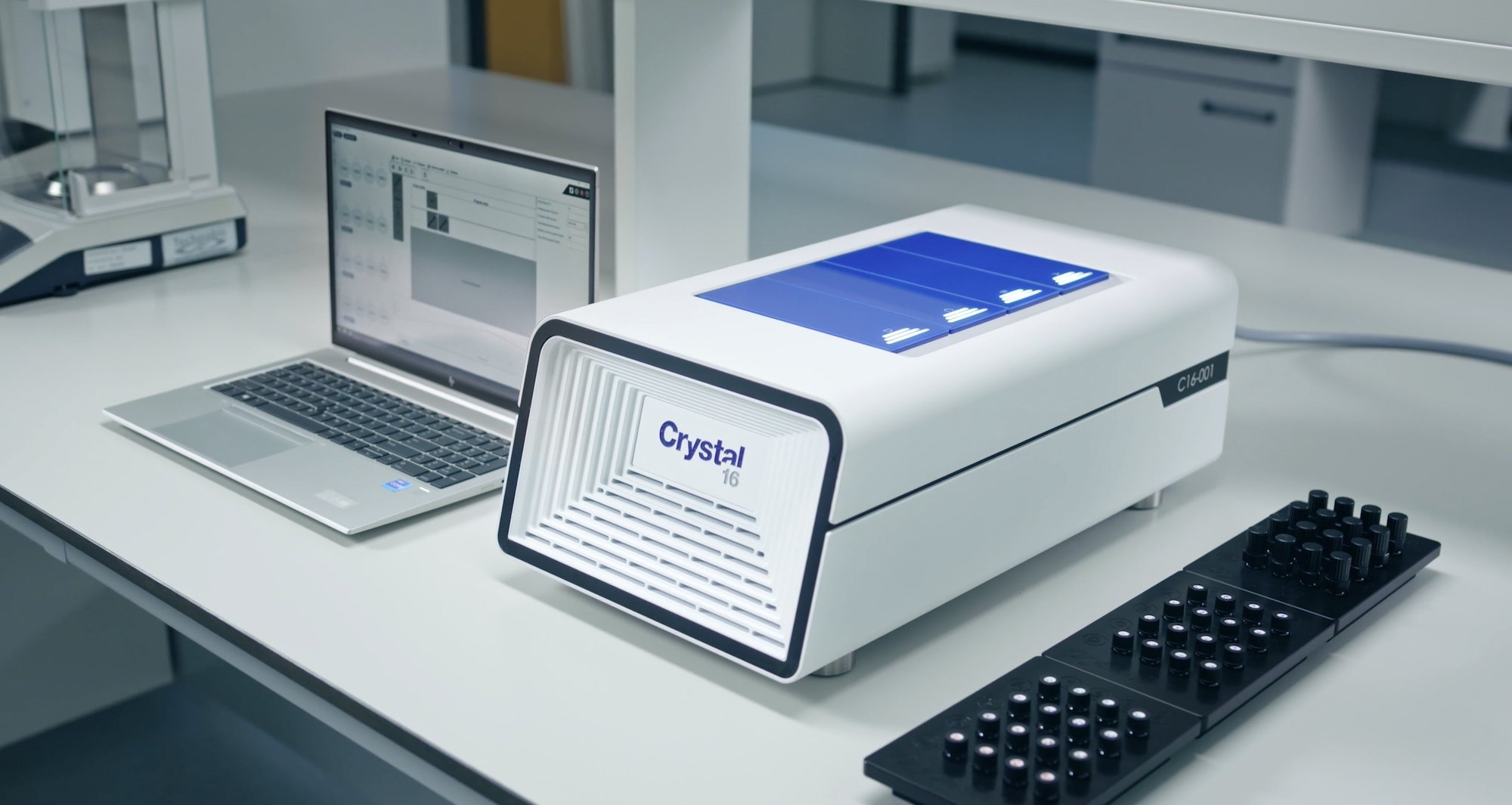
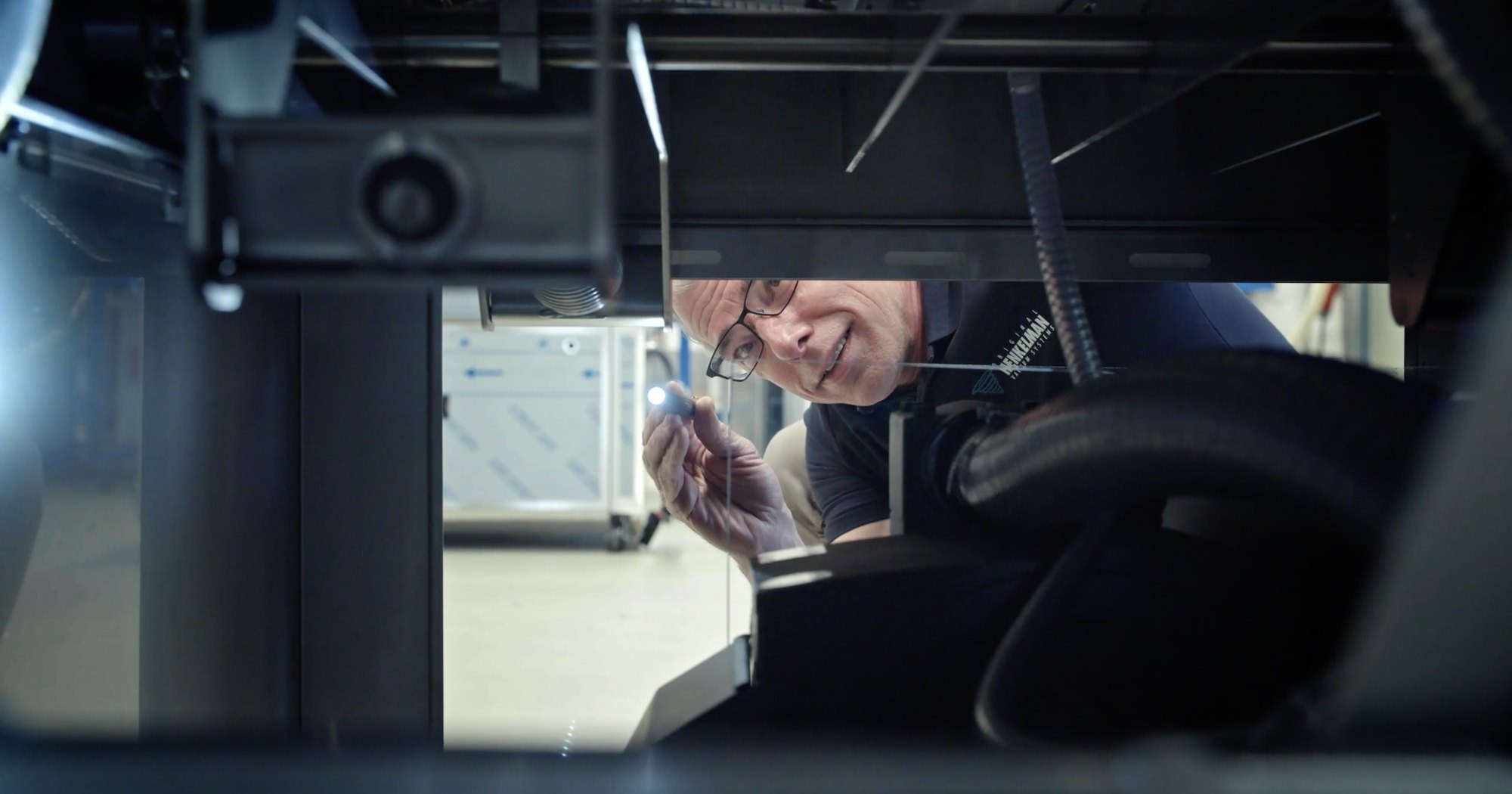
A production at White Label often takes two to four weeks, including one to three shooting days. The schedule is agreed around the scope of the production and the availability of people and locations. See the product video for Technobis and the recruitment video for Henkelman as examples of the finished work.
Where it can go wrong
The steps are not complicated; delays usually come from waiting for decisions. The three causes I see most often: too many people with an opinion in the final phase, feedback trickling in through separate emails, and a script that is changed on set. All three can be prevented by agreeing early who decides.
Want to know what this path looks like for your project? Read about my project films or get in touch.
Frequently asked questions
How long does a video production take on average?
A single corporate or product video often takes two to four weeks from the first conversation to delivery. The shoot itself is only one to three days; the rest is preparation, editing and approval. Campaigns with several videos or animation may take longer.
Can it be faster if there is a deadline?
Yes, if decisions on your side are quick. With a fixed deadline, such as a launch or a trade fair, I plan backwards from that date and agree when each approval is needed. Feasibility is discussed in advance based on the script, locations and availability.
How many revision rounds are there?
Two rounds on the edit as standard. The first round is about structure and content, the second about details. More rounds are possible, but it helps to bundle all feedback from everyone involved per round.
Examples from my work
More insights
-
Animation or live action: which fits your story?
Choose the format around what viewers need to see. An invisible process calls for something different from an employee describing their work.
-
Make a video yourself or outsource it: when should you choose each?
A short update needs a different approach from a major product launch. Compare the job the video must do, your team’s skills and available time.
-
Freelance videographer or production company: which fits your brief?
The difference is not just the camera or the price. Check who does the work, how much coordination is needed and who takes responsibility.