How to brief a video production company
At a glance
A video brief sets out the goal, audience, channels and requirements of a production. This checklist is intended for clients requesting a proposal. The answers provide the basis for the approach, schedule and cost breakdown. A production at White Label often takes two to four weeks. Availability of locations, participants and feedback is considered when agreeing the schedule before work starts.
A good briefing is not a thick document. It is an answer to seven questions. Answer them in advance and you get a better proposal, a sharper price and a shorter production.
The quality of a video is largely decided before a camera is involved: in the briefing. Not because a briefing has to be a thick document, but because the answers to a few questions determine what I propose, what it costs and how fast it goes. This is what I like to know, and why.
1. What should the video achieve?
The most important question. Not “we want a corporate video”, but what should happen after someone has seen it. Get in touch? Apply? Understand what you do? Feel something about your brand? One goal per video gives the sharpest film. Several goals are possible too, but usually in several videos from one production.
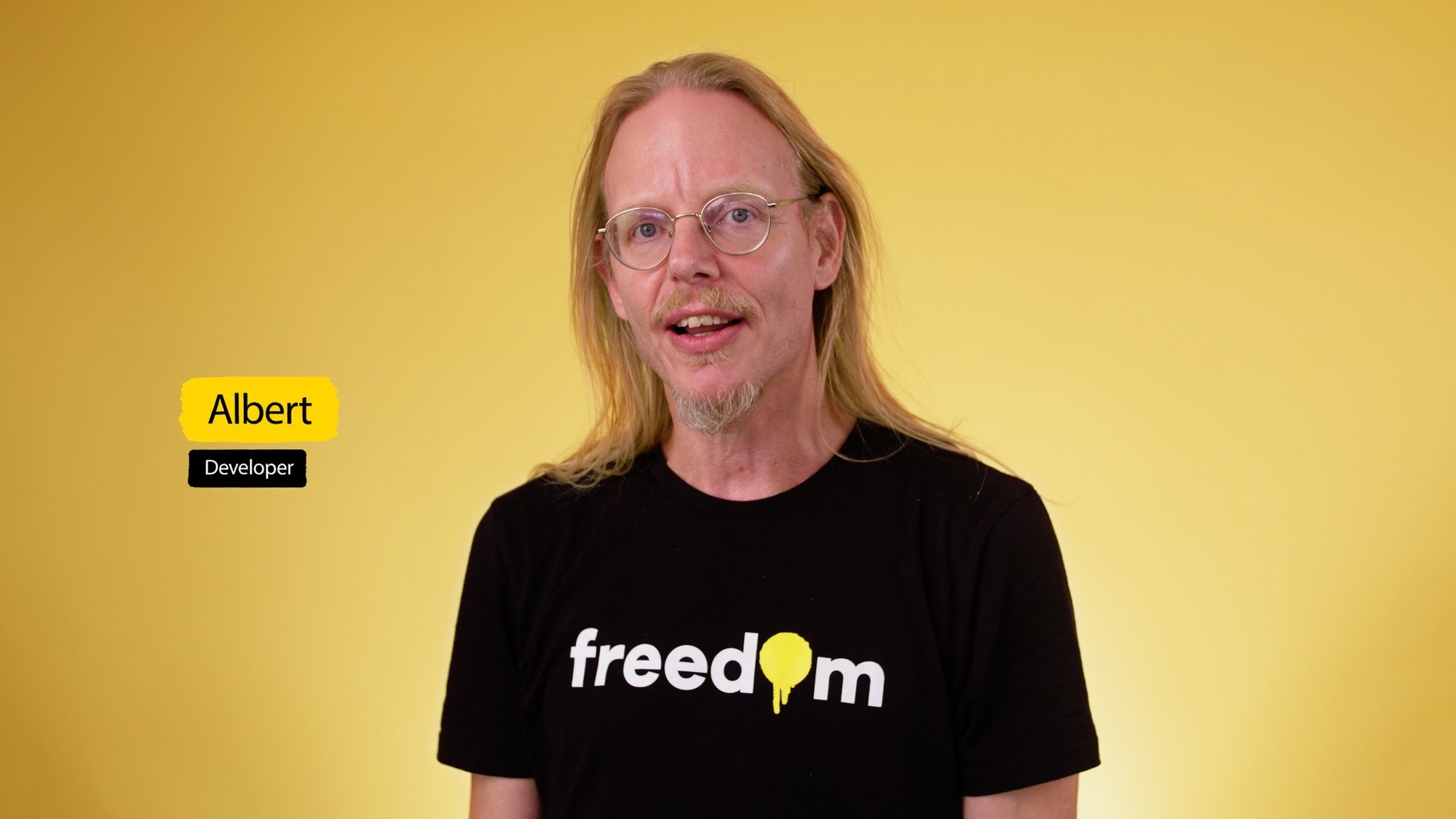
Example: Freedom Internet had one goal for its crowdfunding video: convince investors. That made every choice in the film simple.
2. Who is it for?
Who needs to see the video, and what does that person already know? A product video for researchers needs a different tone from a campaign for consumers. Describe the viewer as concretely as possible: role, level of knowledge, what convinces them and what puts them off.
3. Where will it be shown?
Website, LinkedIn, Instagram, trade fair, sales conversation, careers page? The channels determine the length, the aspect ratio and whether the video has to work without sound. This needs to be settled before the shoot, because I frame for the right formats while filming. See my overview of video formats per platform.
4. When does it need to be ready?
A deadline is not a problem, as long as it is known. For a launch, trade fair or campaign start I plan backwards from that date. It also helps to know when the people who appear on camera are available, and when locations are accessible.
5. What is the budget?
Name an amount or a range. With it I propose an approach that fits. Without a budget I make a proposal in a vacuum. How the price of a production is built is explained in What does a corporate video cost?.
6. What already exists?
Brand guidelines, logos, earlier videos, photography, a tone of voice, a script from a previous project. Everything that already exists helps me match how your organisation presents itself. Also share what was not good about earlier videos; that is at least as useful.
7. What do you like?
Two or three examples of videos that appeal to you, by anyone, with a sentence about why. That says more about the desired tone than a page of text. Examples of what you do not want are welcome too.
The checklist
- Goal: what should happen after watching?
- Audience: who watches, and what do they already know?
- Channels: where will the video be placed?
- Deadline: when does it need to be ready, and when are people and locations available?
- Budget: an amount or a range
- Material: brand guidelines, earlier videos, photos
- Examples: what appeals to you, and why?
- Decision-maker: who approves concept, script and edit?
The last one is forgotten most often and causes the most delay. Agree in advance who decides, and make sure that person is involved at the concept and edit stages.
What happens next
With these answers I make a proposal: an approach, a schedule and a price breakdown. I talk it through, and then the path begins that I describe in How a video production works. For the project film for Bulsink the briefing was one conversation and a construction schedule; nothing more was needed to know what to film.
Ready to brief? Send me your answers, even if they are not complete yet.
Frequently asked questions
Do I already need an idea for the video?
No. A goal and an audience matter more than an idea. Coming up with the concept is my job. If you do have an idea, share it as a direction, not a requirement, so there is room for a better alternative.
Do I have to state my budget?
It helps enormously. With a budget I propose an approach that fits inside it. Without one I make a proposal that may be too big or too small, and everyone loses a round. A range is enough.
What if I don't know the channels yet?
Say so. I will help think through where the video will deliver the most. But decide before the shoot, because the channels determine which formats I have to capture while filming.
Examples from my work

More insights
-
Animation or live action: which fits your story?
Choose the format around what viewers need to see. An invisible process calls for something different from an employee describing their work.
-
Make a video yourself or outsource it: when should you choose each?
A short update needs a different approach from a major product launch. Compare the job the video must do, your team’s skills and available time.
-
Freelance videographer or production company: which fits your brief?
The difference is not just the camera or the price. Check who does the work, how much coordination is needed and who takes responsibility.