Recruitment videos that work: 7 lessons from practice
At a glance
A recruitment video gives candidates a view of a role, the workplace and potential colleagues. This article is intended for employers using video in recruitment. It discusses interviews, showing everyday tasks and preparing material for job advertisements and social channels. A production at White Label often takes two to four weeks, including one to three shooting days. Additional versions are budgeted separately.
The best recruitment videos are honest. Seven lessons from careers videos I made for technical companies, from choosing your own employees to the formats you need.
Job ads all sound alike. “Informal atmosphere”, “room to grow”, “a close team”: it is everywhere, so it says nothing. A recruitment video can show what text cannot: the place, the people, the work. But only if the video is honest. These are seven lessons from the careers videos I have made in recent years for technical and industrial companies.
1. Put your own employees on camera, not actors
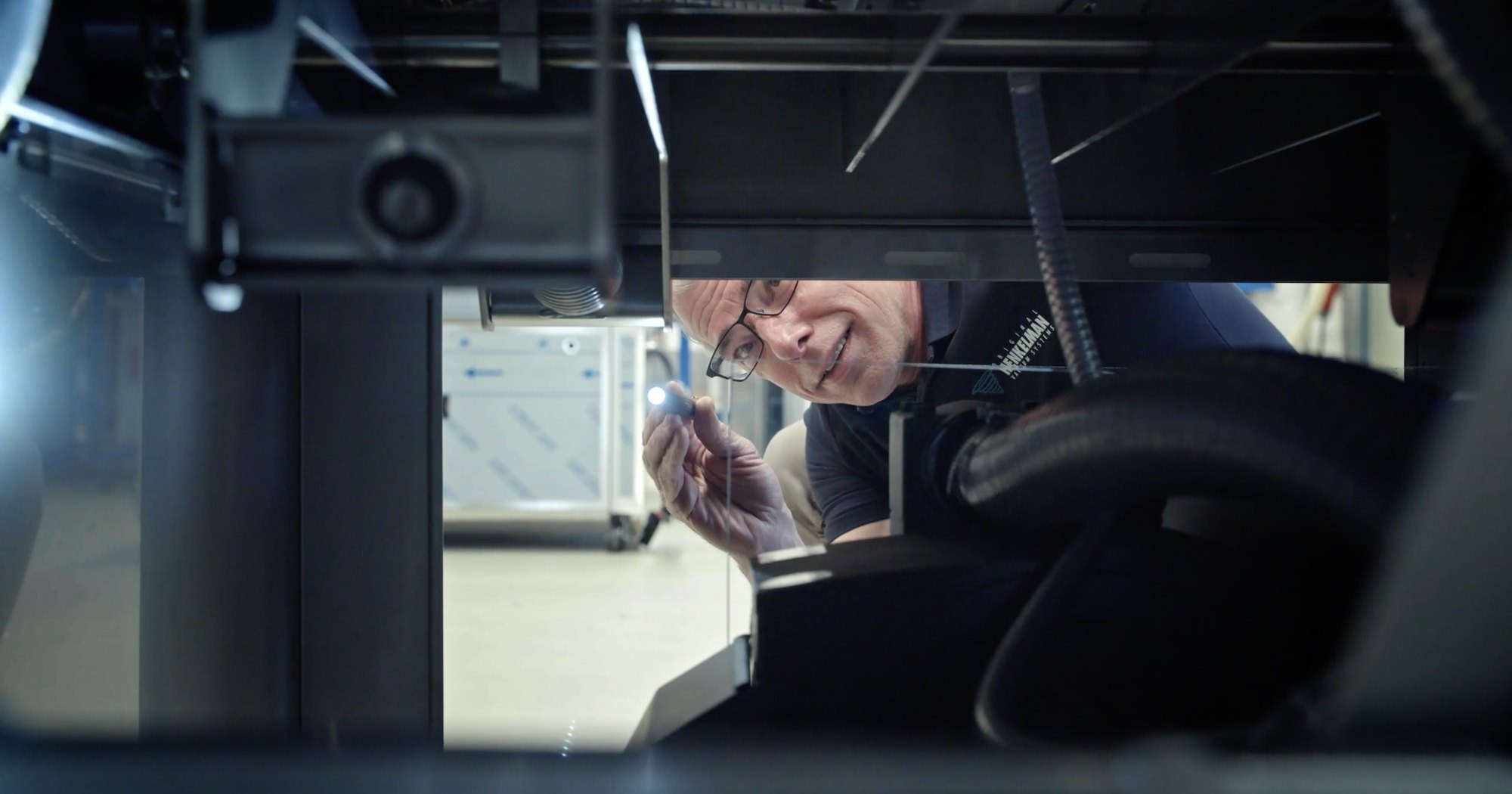
Candidates want to see who they will work with. They spot actors immediately, and the video loses its credibility. Your own employees are almost always the best choice. They know the work, they use the right words and they are exactly as enthusiastic as the work deserves. At Henkelman technicians and warehouse staff explain themselves what they build. That convinces a technical candidate more than any voice-over.
2. Film at the real workplace
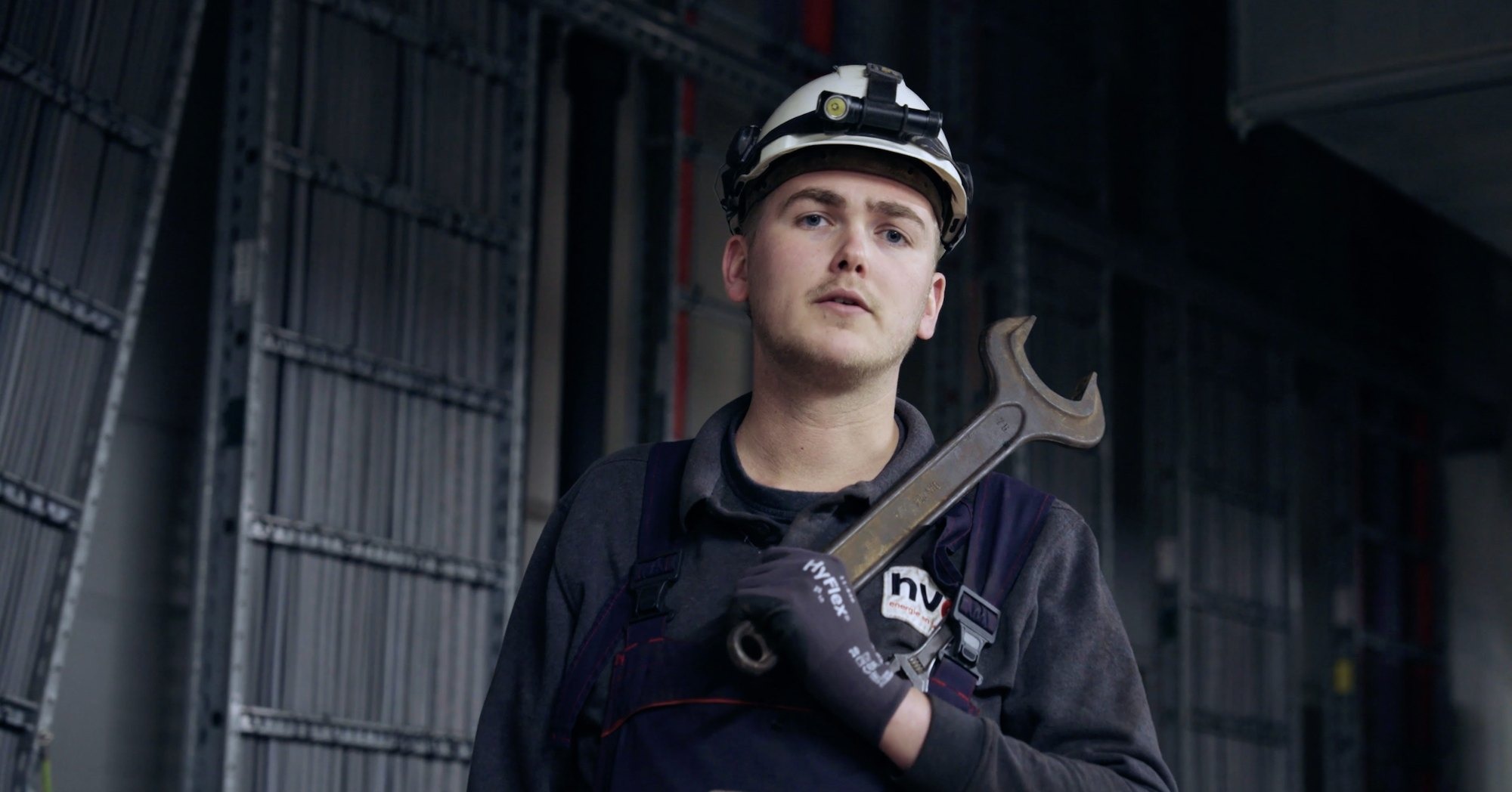
For technical roles the workplace is half the decision. Show it: the hall, the machines, the lab, the canteen. No studio, no stock footage. For HVC I filmed at the plants themselves, with hard hat and wrench. Those who do not want to work there will not apply, and that is exactly right: an honest video also filters.
3. Let people talk, not read
I work with interviews. I ask questions, employees answer in their own words, and the story emerges in the edit. Nobody has to learn a text. The result sounds like people really talk, which is exactly what a candidate wants to hear.
4. Answer the questions candidates actually have
What do I do in a day? Who do I work with? What do we build? What does the first week look like? What is the atmosphere like when it is busy? A good recruitment video answers those questions. It does not have to say the company is a market leader; that is already on the website.
5. Make several formats from one production
A recruitment campaign needs more than one video:
- A main video of one to three minutes for the careers page.
- Short versions of fifteen to sixty seconds for ads, preferably vertical.
- Personal portraits of individual employees, as I made for ED&A: one employee, one story, the same look.
If you plan this in advance, all formats come from the same shooting days. Adding something afterwards usually means new footage.
6. Think about the channels where the video has to work
On the careers page a candidate watches with sound on and full attention. On LinkedIn or Instagram that same candidate scrolls with the sound off. That calls for subtitles, a strong first three seconds and a vertical frame. If you make the video only for the website, you leave the biggest reach on the table.
7. Keep the video current, or make it timeless
Employees leave, brand identities change. Two ways to deal with that: build the main video around several people and the work itself, so one departure does not stand out, and use short portraits that are easy to replace. Avoid references to years and numbers that date quickly.
What a recruitment video delivers
A good careers video lowers the barrier to apply and raises the quality of applicants, because candidates already know what they are getting into. It lasts for years and works for every vacancy, not just one. For companies competing for technical staff it is one of the few tools that make a difference.
Read more about my approach to recruitment videos or get in touch to discuss your vacancies.
Frequently asked questions
How long should a recruitment video be?
The main video for your careers page can run one to three minutes; a candidate seriously considering applying will watch it to the end. For ads and social media you need short versions of fifteen to sixty seconds, preferably vertical.
Do employees have to learn a script?
No. I work with interviews: I ask questions and edit the answers. Nobody has to memorise lines. That is why employees who have never been on camera still come across naturally.
What if employees who appear in the video leave?
It happens. A video with several employees copes with that better than a video built around one person. Short portraits per employee are easy to replace without changing the main video.
Examples from my work

More insights
-
Animation or live action: which fits your story?
Choose the format around what viewers need to see. An invisible process calls for something different from an employee describing their work.
-
Make a video yourself or outsource it: when should you choose each?
A short update needs a different approach from a major product launch. Compare the job the video must do, your team’s skills and available time.
-
Freelance videographer or production company: which fits your brief?
The difference is not just the camera or the price. Check who does the work, how much coordination is needed and who takes responsibility.