Corporate video, brand film or product video: which fits your goal?
At a glance
Corporate films, brand films, product videos and recruitment videos address different communication needs. This overview is intended for clients deciding which type of video fits their goal and audience. It compares the content, use and deliverables of these formats, including commercials and animation. A production at White Label often takes two to four weeks. The chosen approach and additional versions determine the quote.
Video is a collective noun. A corporate video does something different from a brand film, and a product video something different again from a commercial. Choose the type that fits what the video has to achieve.
“We want a video” is usually the start of the conversation, not the end. Because which video? A film that explains what your company does needs a different approach from a film that evokes a feeling about your brand, and that is different again from a video that sells a product. This article puts the six most requested types side by side: what they do, where they are used and when to choose which.
Corporate video
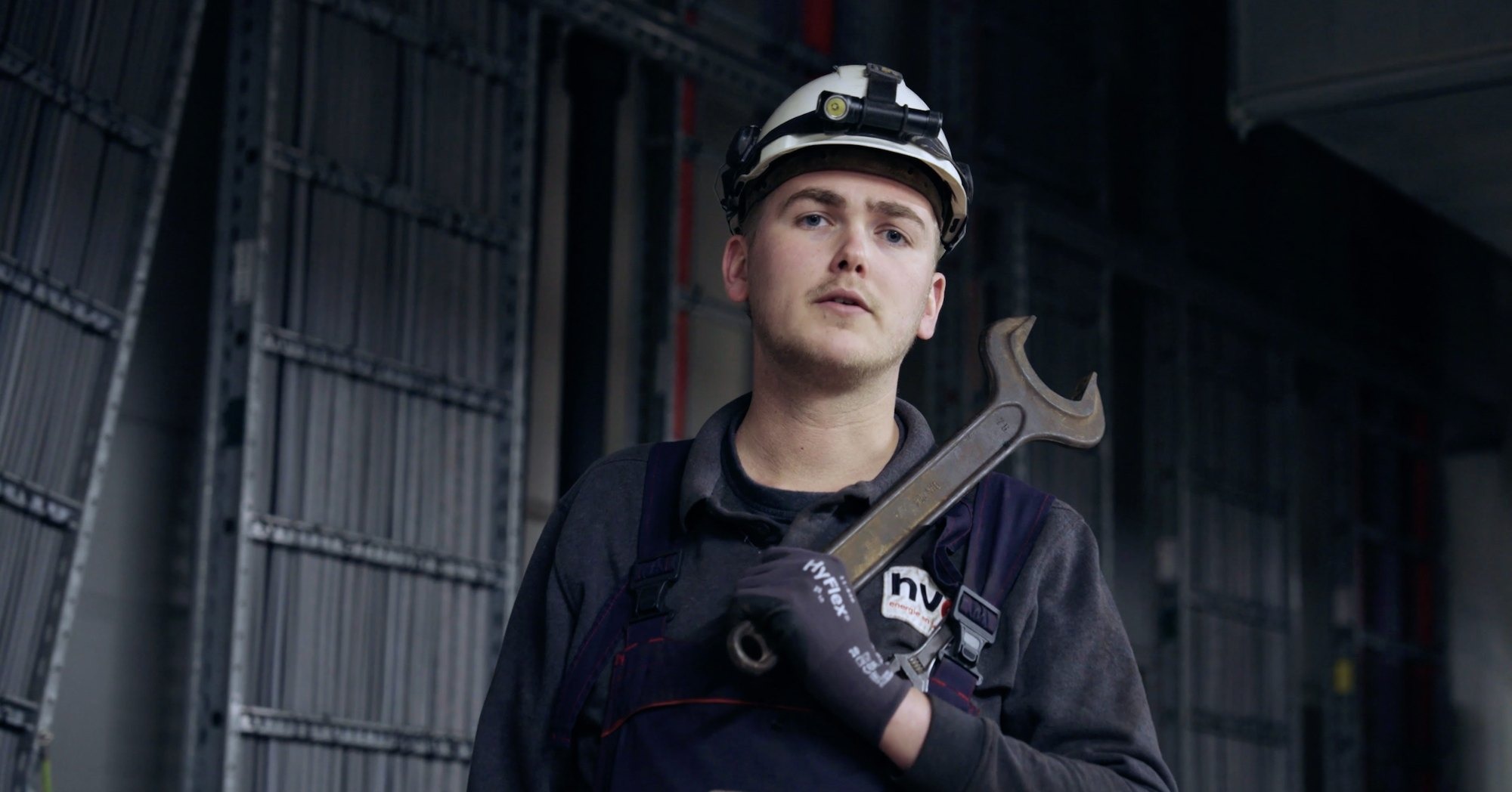
What it does: explain who you are, what you do and for whom. The corporate video is an organisation’s business card. Where it goes: homepage, about page, sales presentations, trade fairs, onboarding. Length: one and a half to three minutes. Choose it when: people need to understand what your organisation does within a minute. For example when your services need explaining, or when your company is bigger and broader than people think.
The film I made for HVC is an example, although its emphasis on people moves it towards a brand film.
Brand film
What it does: evoke a feeling. The brand film explains less and tells more. It shows what your brand stands for, with atmosphere, images and story instead of facts. Where it goes: campaigns, social media, events, the hero of a website. Length: thirty seconds to two minutes. Choose it when: your brand is already known and you want people to feel something about it. Or when you are in a market where everyone offers the same and the difference is in the tone.
Product video
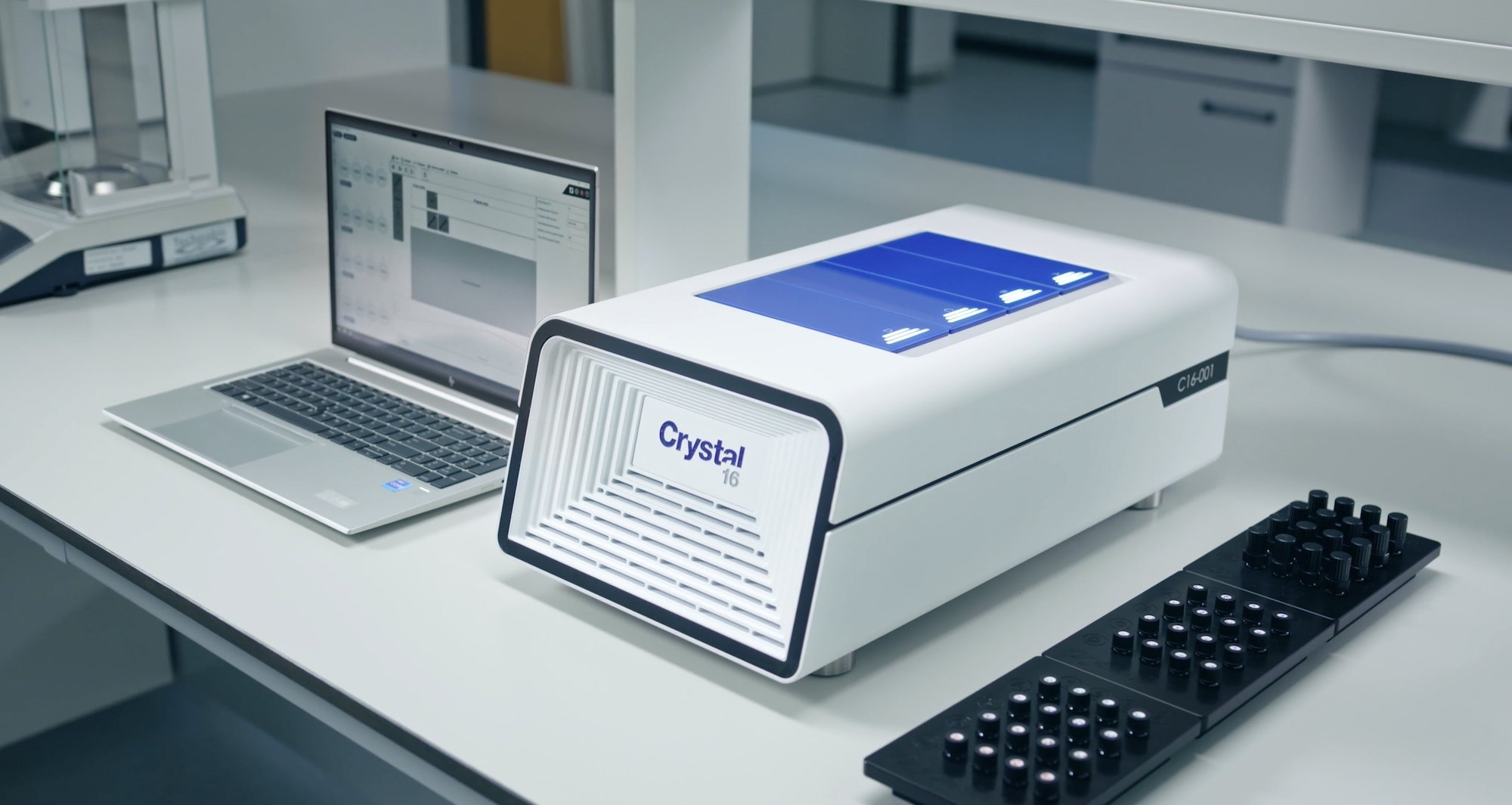
What it does: show what a product does and why it matters. From a physical device to software. Where it goes: product pages, demos, trade fairs, online ads, customer onboarding. Length: thirty seconds to two minutes. Choose it when: your product needs explaining or works better in motion than in a photo. Technical products, software and anything you have to see working.
For Technobis I filmed a laboratory instrument in a working lab; for App on the Road I combined footage on the road with the software on screen.
Recruitment video
What it does: show candidates what it is like to work for you, told by the people who work there. Where it goes: careers page, job ads, LinkedIn, social media ads. Length: one to three minutes for the main video, short portraits of thirty to sixty seconds. Choose it when: you struggle to find technical or specialist staff. Especially in sectors where the workplace is half the decision.
Commercial and online campaign
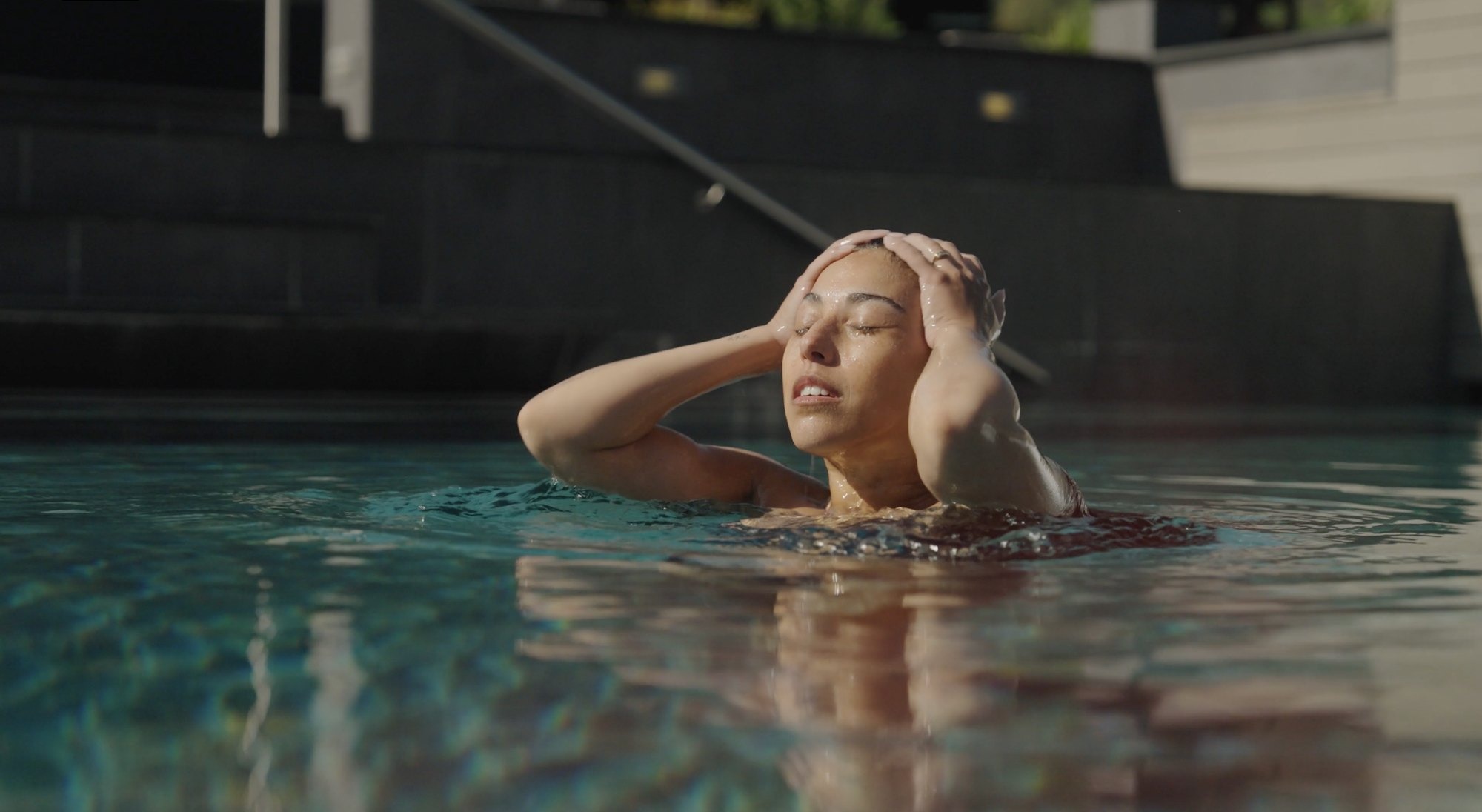
What it does: grab attention in a few seconds and deliver one message. Where it goes: social media, online ads, possibly TV or cinema. Length: six to thirty seconds per version, often in several formats. Choose it when: you want to bring an offer, product or season to the attention of a wide audience. The summer campaign for Spa Zuiver is an example: thirty-five seconds, three formats, no explanation.
Animation and motion graphics
What it does: make visible what a camera cannot film: processes, data, software, abstract services. Where it goes: explainer videos, software product pages, presentations, and as part of filmed videos. Length: one to two minutes for an explainer. Choose it when: your subject is abstract, or when your brand identity comes across better in design than in footage of people.
The comparison in one table
| Type | Goal | Tone | Typical length |
|---|---|---|---|
| Corporate video | Explain | Informative, warm | 1.5–3 min |
| Brand film | Feeling | Atmosphere, story | 0.5–2 min |
| Product video | Show | Clear, precise | 0.5–2 min |
| Recruitment video | Recruit | Honest, personal | 1–3 min |
| Commercial | Attention | Fast, focused | 6–30 sec |
| Animation | Clarify | Designed | 1–2 min |
Choosing starts with the goal
So the question is not which type of video is beautiful, but what the video has to do. Do people need to understand something? Corporate video, product video or animation. Do they need to feel something? Brand film. Do they need to do something, such as apply or buy? Recruitment video or commercial.
And often the answer is: several. From one production I regularly deliver a main film, short versions for social media and a few portraits. That is cheaper than three separate productions and the videos match.
Not sure? See my overview of services or describe your goal to me and I will advise which type fits.
Frequently asked questions
Can one video serve several goals?
To a limited extent. A corporate video can also recruit, and a brand film can show a product. But the more goals one video has to serve, the less sharp it becomes. It is often smarter to get several videos out of one production, each with one goal.
What is the difference between a corporate video and a company film?
None. Corporate video, company film, corporate film and company video are all used for the same thing: a film that explains what an organisation does. I use corporate video.
When is animation better than filmed video?
When the subject cannot be filmed: software, data, processes inside a machine or a service without a physical product. If there are people, places and real products, filmed video usually works better. A combination is the most common.
Examples from my work
More insights
-
Animation or live action: which fits your story?
Choose the format around what viewers need to see. An invisible process calls for something different from an employee describing their work.
-
Make a video yourself or outsource it: when should you choose each?
A short update needs a different approach from a major product launch. Compare the job the video must do, your team’s skills and available time.
-
Freelance videographer or production company: which fits your brief?
The difference is not just the camera or the price. Check who does the work, how much coordination is needed and who takes responsibility.